Why a Solana Browser Wallet Actually Changes How You Use DeFi (and How to Pick One)
Okay, so check this out—Solana moves fast. Really fast. Wow! At first glance you might think a wallet is just a place to stash SOL. My instinct said the same thing. But then I started using wallet extensions as daily drivers for NFTs, swaps, staking, and sometimes for silly little airdrops that feel like finding loose change in couch cushions. Initially I thought any extension that connects to a site would do. Actually, wait—let me rephrase that: not all extensions are equal. Some are slick, some are clunky, and a few will make you feel like you reinvented security while you were simply trying to buy a token.
Here’s what bugs me about wallet shopping. Listings, screenshots, and shiny badges tell a story, but they don’t show how the wallet behaves in real workflows. Hmm… you know, the real test is when a dApp asks to sign three transactions in a row. On one hand, I want speed and UX. On the other hand, I want granular permissions, easy recovery, and sane defaults that don’t shoot my foot. Though actually, it’s possible to have most of those things—if you pick carefully and respect certain trade-offs. I’m biased, but user experience matters a lot. Somethin’ about a smooth flow makes me trust a product more quickly than hype does.
Quick gut checklist when you’re trying a Solana extension the first time: is the install from a reputable store? Does it generate a seed phrase locally? Are permission prompts explicit? Does it support hardware wallets? If one answer is “no,” pause. Seriously? If the extension wants access to all sites by default, that’s a red flag. Also, backups—are they clear and recoverable? You’ll feel very very grateful later if you handled backup correctly the first time.
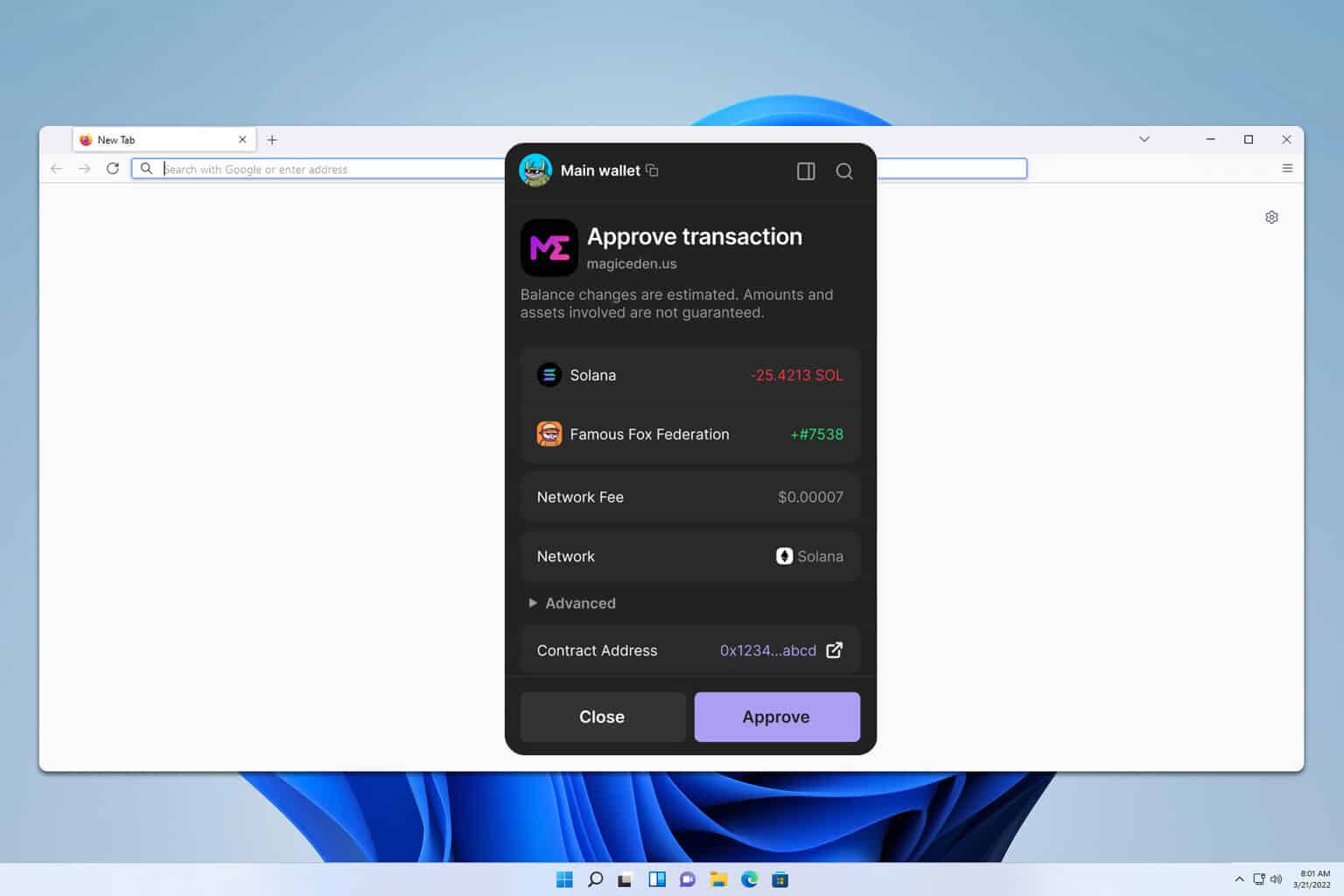
Why browser extensions matter for Solana use
Extensions sit between your browser and the dApps you visit, and they mediate everything from token transfers to message signing. That middle layer is powerful. It can add convenience like autofill-style transaction flows, or it can add friction when something needs explicit user consent. The balance matters. On slower chains, gas costs can hide UX faults; on Solana, cheap transactions put UX front and center. That means the wallet experience directly impacts whether you interact with DeFi or bounce. I learned that the hard way after clicking “connect” to three different dApps and having three different experiences—one was seamless, one asked way too many confirmations, and one… well, it froze.
Security mechanics differ too. Some extensions use ephemeral permissions for individual sites. Some bundle every permission into one checkbox during onboarding, which feels like signing a waiver you never read (oh, and by the way… that never ends well). Hardware support is crucial for larger balances. Not required if you’re dabbling, but if you plan to keep meaningful funds, use a hardware key. It adds a step, yes, but it also means an attacker who gains control of your browser still can’t extract your keys. My rule of thumb: small balances, software-only may be fine; above that, hardware is your friend.
Practical tip: audit the transaction details before signing. It sounds obvious. But it’s amazing how often people scroll past the gas field in Ethereum. On Solana, pay attention to program IDs and destination addresses. If a dApp asks to sign a transaction that looks like it’s transferring tokens but the program ID is unexpected, pause and research the dApp. There are plenty of legitimate multi-step ops, but when in doubt, say no and dig in.
Choosing a wallet extension: trade-offs and features to watch
Speed vs. control. Simplicity vs. safety. Which side you lean on depends on your activity. If you’re trading frequently and chasing small gains, low friction matters more. If you’re a collector of high-value NFTs or providing liquidity, control and recoverability matter. Both are valid. Personally, I prefer a middle path—fast day-to-day operations with access to advanced controls when needed. That usually means choosing a well-designed extension that also supports hardware wallets and has clear backup instructions.
Interoperability matters. Some wallets integrate directly with popular Solana dApps, showing token metadata and NFTs smoothly, while others treat dApps like strangers with separate prompts. User education from the wallet team helps, too. Look for clear help docs and active community channels. If the project’s GitHub and support threads are quiet, that can be a sign. I’m not 100% sure this is a foolproof metric, but it often correlates with better long-term reliability.
And the question of trust: open source versus closed source. Open source doesn’t mean safe by default, but it does allow audits and community inspection. Closed-source wallets can be fine, but they require more faith. My advice: prefer visible code, or at least strong third-party audits and an engaged developer community. Again, not perfect, but it’s a reasonable heuristic.
Install flow and first steps (practical walkthrough)
Okay—installing a wallet extension is straightforward, but small mistakes early can cause headaches later. First, install from the browser’s official extension store unless you have a direct, verified link from the project. Next, create a new wallet and write down the seed phrase offline. Do not store the phrase in cloud notes. Seriously. For extra safety, split the seed into two parts and store separately. Sounds overkill? Maybe, but it’s saved me from losing access after a spill incident once—true story, coffee + keyboard = chaos.
After setup, test with a tiny amount of SOL. Send a small test payment to another wallet you control or to a trusted exchange address. Confirm the transaction details on-chain explorer. If the transaction failed or looked odd, stop and troubleshoot. You don’t want to discover an issue on a high-value transfer.
When you connect to dApps, watch the scope of requests. Many wallet extensions have improved their UX to show human-readable descriptions of what a dApp wants to do. If you see anything like “delegate all tokens” or “transfer anything” without clear context, decline and investigate. It’s annoying to be paranoid, but it’s cheaper than recovering from a compromised account.
Looking for a straight-to-the-point option? Try phantom wallet for a clean install and wallet experience that’s aligned with most Solana dApp expectations. The onboarding is polished, the UI is clear, and hardware wallet support exists for when you scale up. phantom wallet
Note: one link above—I’m not trying to over-promote. Just giving the place I land on most days when I want quick, reliable access without wrestling with poor UX. The team behind it iterates quickly, which matters when the ecosystem changes fast. There’s a learning curve, yes, but it’s manageable.
FAQ
Can I use multiple Solana extensions safely?
Yes. In fact, using separate wallets for different purposes is a good pattern—one for day-to-day trades and low balances, another for long-term holds with hardware-secured keys. It reduces blast radius if one wallet gets compromised. Just keep clear backups and label seeds so you don’t mix them up.
What about mobile vs. browser extension?
Mobile wallets are great for on-the-go interactions, but browser extensions often provide better dApp integration for desktop experiences. If you rely on desktop dApps (like some NFT marketplaces or certain DeFi UIs), an extension is essential. Use mobile for convenience and desktop for heavy workflows—syncing across devices is possible but be careful with seed exports.
Is hardware wallet support necessary?
Not strictly for small balances, but absolutely recommended as balances grow. Hardware wallets secure your private keys in a tamper-resistant device, so even if your browser is hijacked, attackers can’t sign transactions without the physical device. Think of it like keeping your savings in a safe, not under a mattress.
اترك رداً
تريد المشاركة في هذا النقاششارك إن أردت
Feel free to contribute!